

Moringa is a green leafy plant that many people include in their daily routine because of its rich nutrition. The leaves are the most commonly used part and can be eaten in many simple ways at home. Moringa does not require special preparation or complex recipes. When used correctly and in the right amount, it can easily fit into everyday meals.
This blog explains how to use Moringa daily, simple ways to prepare it at home, the best time to consume it, how much to use, and common mistakes to avoid. All points are explained clearly so anyone can follow them without confusion.

Image Credit: Gemini
Using Moringa daily means adding it to regular food or drinks in small and steady amounts. It is not meant to be consumed in large quantities or treated as a quick solution. Moringa works best when used consistently as part of normal meals.
Daily use of Moringa can help:
Moringa can be used by adults of all ages when taken in moderation. The most common daily forms include fresh leaves, dried leaves, powder, tea, and capsules.
Fresh Moringa leaves are one of the best ways to consume this plant. They are easy to cook and can be used like other green vegetables.
Fresh leaves can be:
Light cooking helps make the leaves easier to digest and improves taste.
Fresh Moringa leaves can be added to:
Using them this way makes daily intake simple without changing eating habits.
Dried Moringa leaves are useful when fresh leaves are not available. They can be stored longer and used easily.
Proper drying helps keep nutrients intact.
Dried leaves can be:
They are convenient for daily use in small amounts.
Moringa powder is made by grinding dried leaves. It is one of the easiest forms to use at home.
Moringa powder can be mixed with:
Stir well to avoid lumps. Start with a small amount.
Moringa powder can be added to:
Avoid cooking the powder at high heat, as it may reduce nutrient content.
Moringa tea is a simple and gentle way to consume Moringa daily.
Tea can be consumed plain or with a little lemon if desired.
Avoid very strong tea by using small quantities.
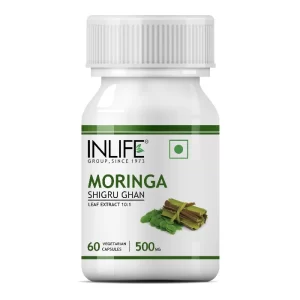
Capsules are suitable for people who do not like the taste of Moringa or have a busy routine.
Capsules should be treated like food supplements, not replacements for meals.
The time of day when you consume Moringa can affect how your body absorbs nutrients and how it impacts your energy, digestion, and overall wellness. Choosing the right time makes daily use more effective and comfortable.
Consuming Moringa in the morning has several advantages:
Boosts Energy for the Day: Moringa is rich in vitamins, minerals, and protein. Taking it in the morning helps fuel your body, making you feel more energetic throughout the day.
Supports Digestion Early: The fiber and nutrients in Moringa leaves prepare your digestive system for the day, especially if taken with breakfast.
Enhances Focus and Mental Clarity: The combination of iron, B vitamins, and antioxidants helps support brain function, keeping you alert in the morning.
How to Use in the Morning:
Morning use is particularly beneficial for people with busy schedules or those who feel low in energy during the day.
While less common, consuming Moringa in the afternoon can also be effective:
Maintains Steady Energy: If your energy drops after lunch, a small portion of Moringa leaves or tea can help keep you active without feeling sleepy.
Supports Digestion During Meals: Adding fresh leaves to lunch or cooked dishes improves nutrient intake and supports proper digestion.
Caution: Avoid taking too much in the afternoon if you are sensitive to stimulants, as it may cause slight restlessness in some people.
Using Moringa in the evening requires a little care:
Light Use Recommended: It is best to take Moringa in light amounts in the evening, such as a small cup of Moringa tea.
Supports Relaxation: The nutrients in Moringa help the body recover after a long day, but heavy use at night may affect sleep for some people.
Avoid Large Quantities: Taking large doses of powder or fresh leaves close to bedtime may cause mild digestion issues or discomfort in sensitive individuals.
Using the correct amount is important for daily use.
General guidance:
Starting small helps the body adjust better.
Proper storage helps maintain quality and safety.
Proper storage prevents spoilage and loss of nutrients.
Many people make mistakes that reduce benefits or cause discomfort.
More is not better. Excess intake may cause stomach issues.
Avoid using roots or bark for daily consumption.
Using multiple supplements together may cause an imbalance.
Reduce or stop use if discomfort appears.
Yes, Moringa can be used daily when:
Taking short breaks after long-term use is also helpful.
Certain people should use Moringa carefully:
Consulting a professional is advised in such cases.
Here is a simple daily example:
This approach avoids excess intake.
Using Moringa daily is simple when done correctly. Fresh leaves, dried leaves, powder, tea, and capsules all offer easy ways to include Moringa at home. The key is moderation, consistency, and choosing the right form based on your routine.
Avoid overuse, store properly, and pay attention to how your body responds. When used as part of everyday food and not in excess, Moringa can be a useful addition to daily nutrition.