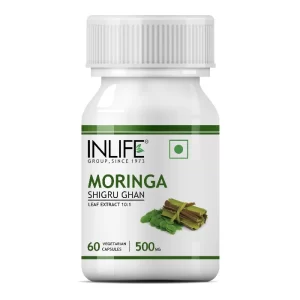

Moringa is often added to daily meals because it contains many nutrients in a natural form. The leaves are cooked like vegetables, dried into powder, or taken as tea and capsules. Because it comes from a plant, many people assume it can be used without any concern. However, safety depends on how Moringa is used, how much is taken, and who is using it.
This article explains the safety of Moringa in a clear and practical way. It covers possible side effects, safe usage, people who should be careful, and important precautions. Understanding these points helps avoid misuse and supports better daily nutrition choices.
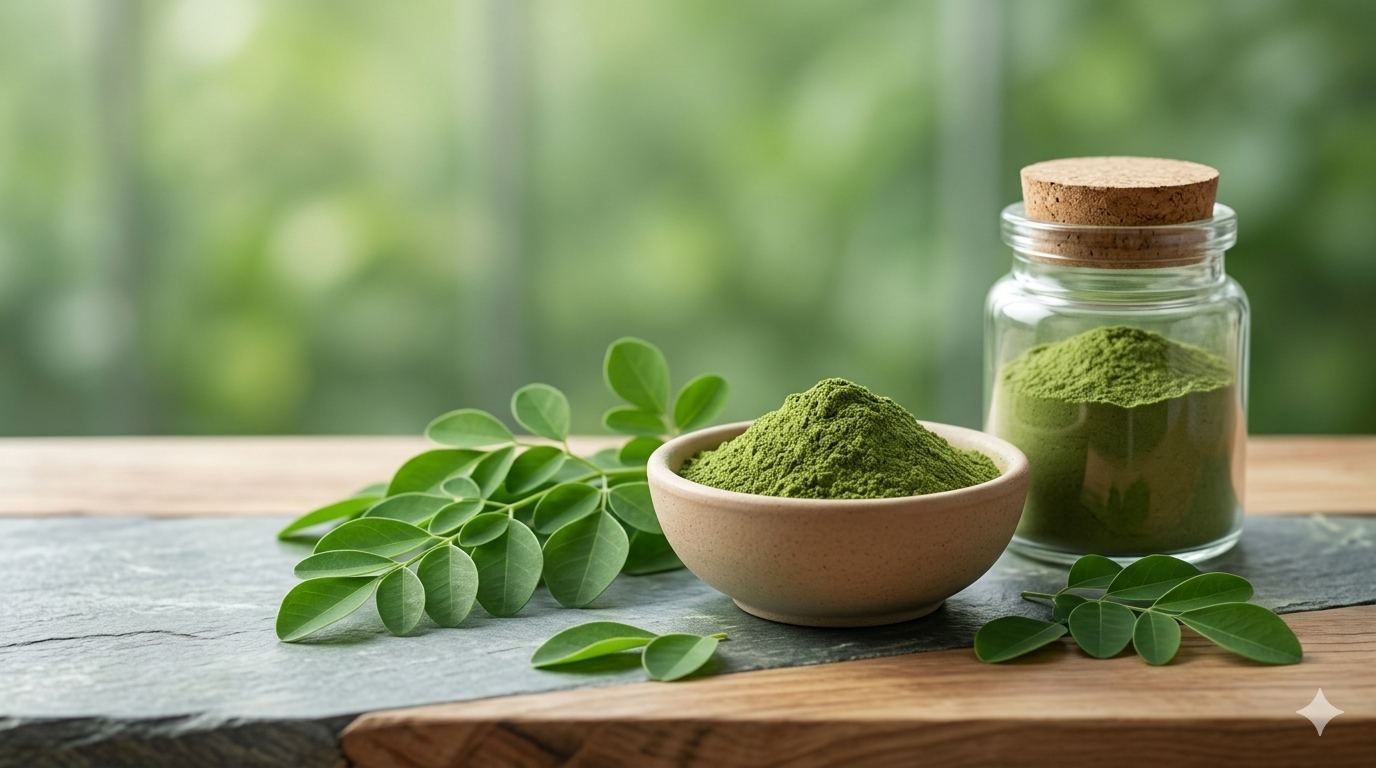
Image Credit: Gemini
Moringa leaves have been part of traditional diets for a long time. When eaten as food in normal amounts, they are generally safe for healthy adults. Problems do not usually come from Moringa itself, but from overuse, wrong plant parts, or poor-quality products.
Safety depends on:
When used like a regular food rather than a heavy supplement, Moringa is easier for the body to handle.
Not every part of the Moringa tree is meant for regular consumption. Knowing this is important for safety.
For regular use, leaves and pods are the safest options.
Side effects are not common when Moringa is used correctly. When they do occur, they are usually mild and temporary.
Some people may experience:
This usually happens when large quantities are consumed, especially powder or capsules. Reducing the amount often solves the issue.
Moringa may influence blood pressure balance. People who already have low blood pressure may feel:
Monitoring intake is important in such cases.
Moringa may affect how the body handles sugar. People with blood sugar conditions should:
Rare and often linked to:
These symptoms usually stop after reducing or pausing intake.
Certain people need extra attention before using Moringa regularly.
People with the following should be cautious:
Professional advice is recommended before regular use.
Moringa may affect how some medicines work. This is especially important for:
Spacing intake and monitoring is important.
Using the correct amount is more important than frequent use.
General safe intake:
Taking more than needed does not improve results and increases the chance of discomfort.
Moringa can be used daily when:
Long-term daily use is safer when:
Using Moringa continuously without breaks or in high doses is not recommended.
Many side effects are linked to poor-quality products rather than Moringa itself.
Always check:
Low-quality products may contain dust, moisture, or contaminants that cause digestive or allergic reactions.
Reduce or stop using Moringa if you notice:
If symptoms continue after stopping, professional advice should be taken.
Some common misunderstandings lead to misuse.
“Natural means unlimited use.”
Natural foods still require moderation.
“All parts of the tree are edible.”
Only specific parts are safe for regular use.
“More intake gives faster benefits.”
Excess intake increases side effects, not benefits.
Correct information helps safe usage.
For people planning long-term use:
Moringa should support nutrition, not replace meals.
| Form | Safety Level |
|---|---|
| Cooked leaves | Very safe |
| Fresh leaves | Very safe |
| Tea | Safe |
| Powder | Safe in moderation |
| Capsules | Safe if used correctly |
| Roots / Bark | Avoid |
Using Moringa as food reduces the risk of side effects.
Moringa is safe for most adults when used properly. The leaves and pods are suitable for daily intake, while roots and bark should be avoided. Side effects are usually mild and linked to overuse or low-quality products.
People with health conditions, pregnant women, and those on medication should use Moringa carefully. Starting with small amounts, choosing clean sources, and maintaining moderation ensure safe use.
When treated as part of everyday food and not overused, Moringa can be included safely in daily nutrition routines.